Photography always depends on light. A bright photograph may appear dramatic, emotional and powerful. A dismal lighting can however destroy a good shot. Due to this difficulty, most photographers waste hours of time changing the brightness, shadows and highlights of their photos using the editing software. Contemporary artists are currently seeking quicker and smarter resolutions. That demand has seen the development of luminar brush, an AI-powered image editing program that is aimed at improving lighting in a photograph. Light is added to the picture of the user by using a digital brush rather than a complex set of controls. Consequently, the process of lighting modification becomes simpler and much more intuitive. Moreover, photographers, designers and digital artists operate in a vigorous creative setting.
Thus, they need the tools that will yield fast results without compromising the quality of images. Luminar brush resolves this problem by integrating AI with the interactive editing technology. Since the software involves analyzing the structure of images and the lighting conditions automatically, creators will be able to create a natural effect of lighting without having specialized knowledge in editing. As a result, this paper describes the functionality of Luminar brush, its features, and the reasons why visual creators use it. Real use cases, editing workflows, and tips, which can be used to get better lighting results are also discussed.
What Is Luminar Brush?
luminar brush refers to an artificial intelligence image editing tool that focuses on lighting control. It enables photographers and artists to use effects of light on certain parts of an image. Users do not make dozens of editing sliders, but they paint light where they want. The developer of the tool is lllyasviel, and he is well-known to create advanced AI visual tools. Due to such technical experience, the software has an intelligent image analysis that identifies surfaces, textures and direction of light. Consequently, edits appear natural as opposed to artificial.
During photography, creators are always affected by lighting problems. The interiors in a building can cause an imbalance in brightness and when it clouds, the contrast of the image can be diminished. Luminar brush can assist an editor in such a scenario to ensure the visual balance of the picture without having to redo the picture. In addition, the software goes to the advantage of many creative professionals who require quality of visuals. Hence, the tool is used to enhance images within a few seconds in a number of industries.
Luminar Brush Lighting Technology and AI Processing
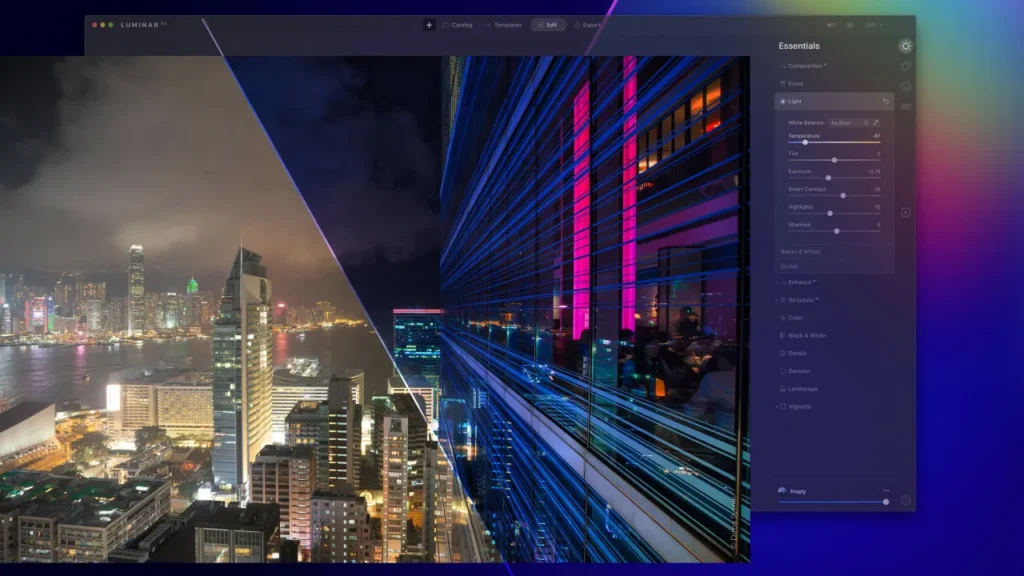
Luminar brush is made out of artificial intelligence. The software involves a two-step lighting mechanism which makes it easy to perform tasks that are complex in nature. The strategy will enable the users to use lighting effects without compromising the realism of the images.
- First, the system examines the uploaded image. During this stage, the software balances the lighting across the entire scene. Shadows, highlights, and exposure become evenly distributed. Consequently, the image becomes a neutral base for further edits.
- The user then starts to paint light on the picture. The AI engine works out the texture, depth of color and surface reflections and uses illumination. Thanks to such shrewd analysis, the effects of lighting seem lifelike and fitting the scene.
Two-Stage Lighting Workflow
| Stage | Process | Result |
| Stage 1 | AI balances image lighting | Neutral base for editing |
| Stage 2 | User paints illumination | Realistic lighting effects |
This workflow reduces editing complexity significantly. The conventional editing programs need to be adjusted several times, whereas the luminar brush can reduce the process to the use of a brush. Thus, the tool can be used by both novice and professional photographers.
Core Features That Make Luminar Brush Effective
There are a number of editing tools in the market today but luminar brush is specialized in lighting control. Due to such emphasis, the platform has features that are aimed at improving illumination without ruining the quality of images.
- AI-powered lighting simulation that adapts to image structure
- Real-time editing feedback for faster adjustments
- Advanced brush engine that mimics artistic lighting strokes
- Detail preservation for textures such as skin, hair, and fabric
Another important feature involves the preservation of image details. Many editing tools distort textures when adjusting brightness. However, lit maintains fine details such as hair strands and skin texture.
Practical Uses of Luminar Brush in Photography
Improvement in lighting can alter a photo drastically. Thus, Luminar brush can be used to facilitate various artistic processes applied by photographers and designers.
1. Portrait Photography Enhancement
Portrait photography requires balanced lighting to highlight facial features. However, indoor environments often produce dull or uneven light. Therefore, editors use luminar brush to paint subtle highlights across cheekbones, forehead, and hairlines. For example, portrait photographer Anita Mehra from Mumbai frequently edits indoor fashion shoots. She once explained, “Using luminar brush feels like adding studio lights after taking the photo.” Because of this capability, portrait editors can enhance images without re-shooting sessions.
2. Product Photography Improvement
Product images must attract customer attention, especially on e-commerce platforms. However, many small businesses cannot afford professional lighting equipment. Consequently, it helps them create better lighting digitally. A watch seller photographing products at home can apply directional lighting across the metal surface. As a result, the watch appears brighter and more professional in online listings.
3. Digital Art and Concept Design
Digital artists often experiment with lighting to build mood and atmosphere. Therefore, it allows them to add dramatic lighting effects quickly. Instead of repainting an entire scene, artists simply paint light sources where they want them. Consequently, they can test multiple lighting directions within minutes.
Step-by-Step Guide to Editing with Luminar Brush
Although artificial intelligence tools sound complex, the editing workflow remains simple. Because of this intuitive design, beginners can start using luminar brush without advanced technical skills. First, users upload their image into the editing interface. The AI engine immediately evaluates the lighting conditions. After balancing exposure and shadows, the user can begin applying lighting effects.
Basic Editing Workflow
| Step | Action |
| 1 | Upload image to editor |
| 2 | Allow AI to normalize lighting |
| 3 | Select brush tool |
| 4 | Paint light across selected areas |
| 5 | Adjust brightness intensity |
| 6 | Export final image |
The brush tool then allows creators to paint illumination across selected regions. The system also changes the image in real time as the user changes the intensity levels. This implementation normally takes a few minutes. Thus, the creators do not need to spend a long time editing the materials because they can create quality lighting effects.
Why Luminar Brush Matters for Modern Creators
The control of lighting has always been a part of photography. Professional photographers can readily spend a fortune on the studio gear, which includes softboxes, reflectors, and LED panels. Nonetheless, the editing tools created by AI now provide other ways of enhancing the illumination. Due to the luminar brush which makes light look real digitally, photo creators can also improve the photos after the shooting process is over. This means that photographers conserve time and resources.
In addition, AI tools grant creators and designers the creative freedom they require in digital art. They are able to play with various lighting styles without having to recreate their scenes. Thus, the application of such tools as luminar brush is still continuing to transform the creative processes in the fields of photography and digital art.
Conclusion:
Lighting determines the emotional impact and visual quality of any photograph. For this reason, creators are always seeking tools that can make them manage illumination successfully. The solution to this problem is Luminar brush, which merges artificial intelligence with interactive editing.
The tool enables photographers and artists to paint realistically on their pictures through its two stage lighting system and the sophisticated brush engine. Due to this, the creators are able to make photos look striking visually despite being ordinary. Thus, it remains popular among photographers, digital artists, and content creators that require an effective lighting boost.
Also Read About :- Reem Shaikh Height, Career,